



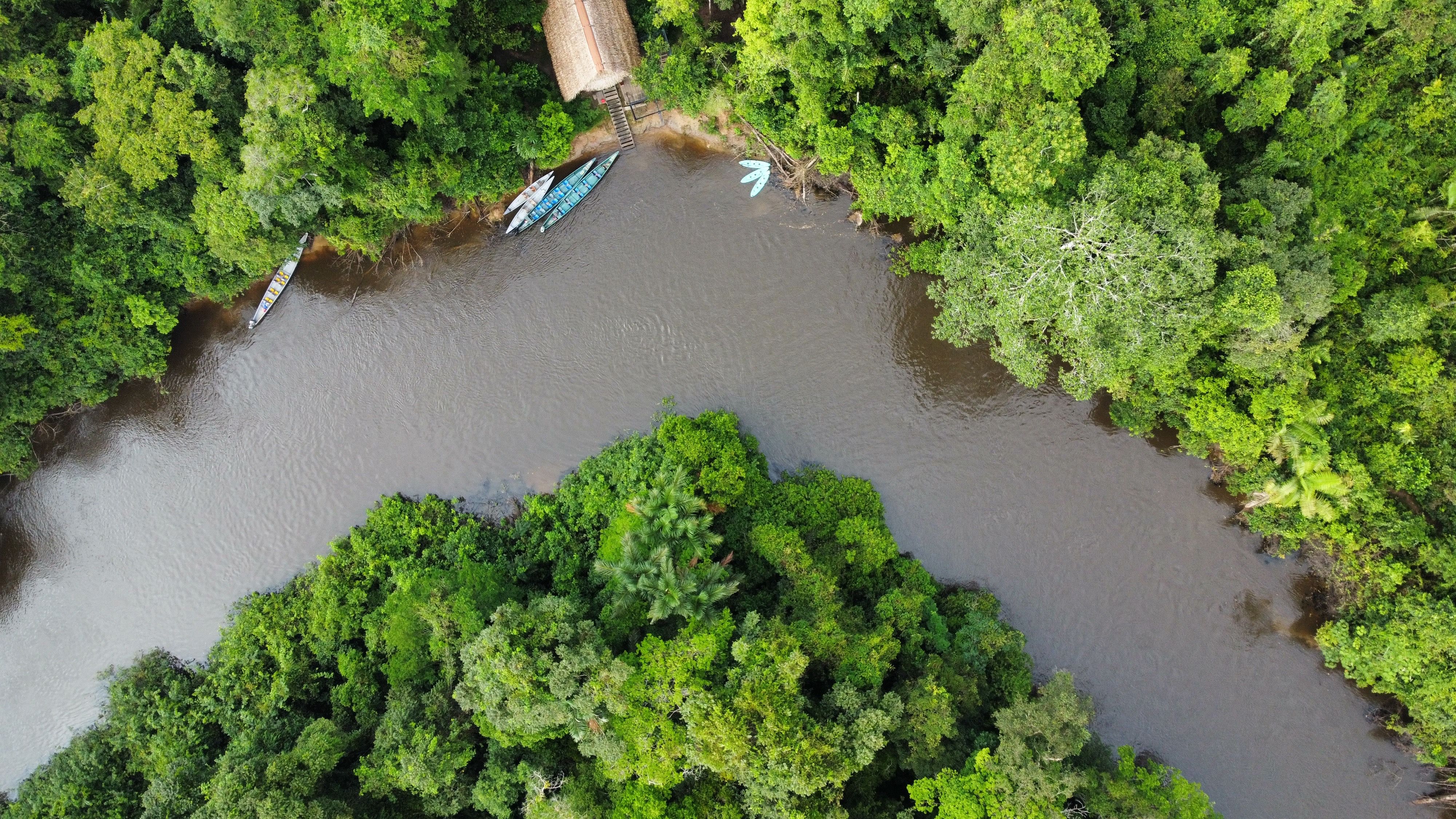
**In a world that often prioritises speed and efficiency, the concept of slow travel emerges as a refreshing alternative. Slow travel encourages us to take our time, savour our experiences, and forge deeper connections with the places we visit and the people we meet. This article explores the benefits of slow travel, sustainable practices, and how immersing ourselves in local cultures can enhance our travel experiences. **
1. What do we mean by “slow travel”?
Slow travel is not merely about taking longer trips; it’s about embracing a mindset that values quality over quantity. By travelling slowly, we allow ourselves to engage more deeply with our surroundings. This approach fosters a greater appreciation for local cultures, traditions, and environments. It encourages us to travel at our own pace, making room for spontaneous adventures and genuine interactions.
2.Benefits of Slow Travel
Deeper Connections:
One of the most significant advantages of slow travel is the opportunity to connect with locals. By spending more time in a destination, you can engage in meaningful conversations, participate in community events, and gain insights into the local way of life. This cultural immersion can lead to friendships that last long after your trip ends.
Sustainable Travel Practices:
Slow travel aligns perfectly with sustainable tourism. By choosing to stay longer in one place, you reduce your carbon footprint associated with frequent flights and transportation. Additionally, you can support local businesses, from family-run restaurants to artisan shops, ensuring that your travel dollars benefit the community.
Mindful Travel:
Embracing slow travel encourages mindfulness. Instead of rushing from one tourist attraction to another, you can take the time to appreciate the beauty around you. Whether it’s enjoying a sunset, exploring a local market, or simply relaxing in a park, these moments of mindfulness can enhance your overall travel experience.
Cultural Immersion:
Immersive cultural experiences are at the heart of slow travel. By participating in local customs, cooking classes, or traditional festivals, you gain a deeper understanding of the culture. This not only enriches your travel experience but also fosters respect and appreciation for the diversity of our world.
3. How to Travel Slowly
To embrace slow travel, consider the following tips:
Choose Fewer Destinations:
Instead of cramming multiple locations into a single trip, select a few places that truly interest you. This allows you to explore each destination thoroughly.
Stay Longer:
Opt for longer stays in accommodations that reflect the local culture, such as guesthouses or homestays. This not only supports local economies but also provides opportunities for deeper connections.
Engage with Locals:
Make an effort to connect with local residents. Join community events, take part in workshops, or simply strike up a conversation at a café. These interactions can lead to unforgettable experiences.
Explore Off the Beaten Path:
Venture beyond the typical tourist spots. Discover hidden gems, local markets, and lesser-known attractions that offer authentic insights into the culture.
4. Sustainable Travel Practices
Sustainable travel is essential for preserving the beauty of our planet. Here are some practices to consider:
Eco-Friendly Travel:
Choose eco-friendly accommodations and transportation options. Look for places that prioritise sustainability, such as those that use renewable energy or support conservation efforts.
Responsible Tourism:
Be mindful of your impact on the environment and local communities. Follow guidelines for wildlife interactions, respect cultural norms, and leave no trace.
Community-Based Tourism:
Engage in community-based tourism initiatives that empower local communities. This can include staying in locally-owned accommodations or participating in tours led by local guides.
Connecting with Locals While Traveling
Connecting with locals is a cornerstone of slow travel. Here are some ways to foster these connections:
Participate in Local Events:
Attend festivals, markets, or workshops to immerse yourself in the local culture. This not only enriches your experience but also supports community initiatives.